
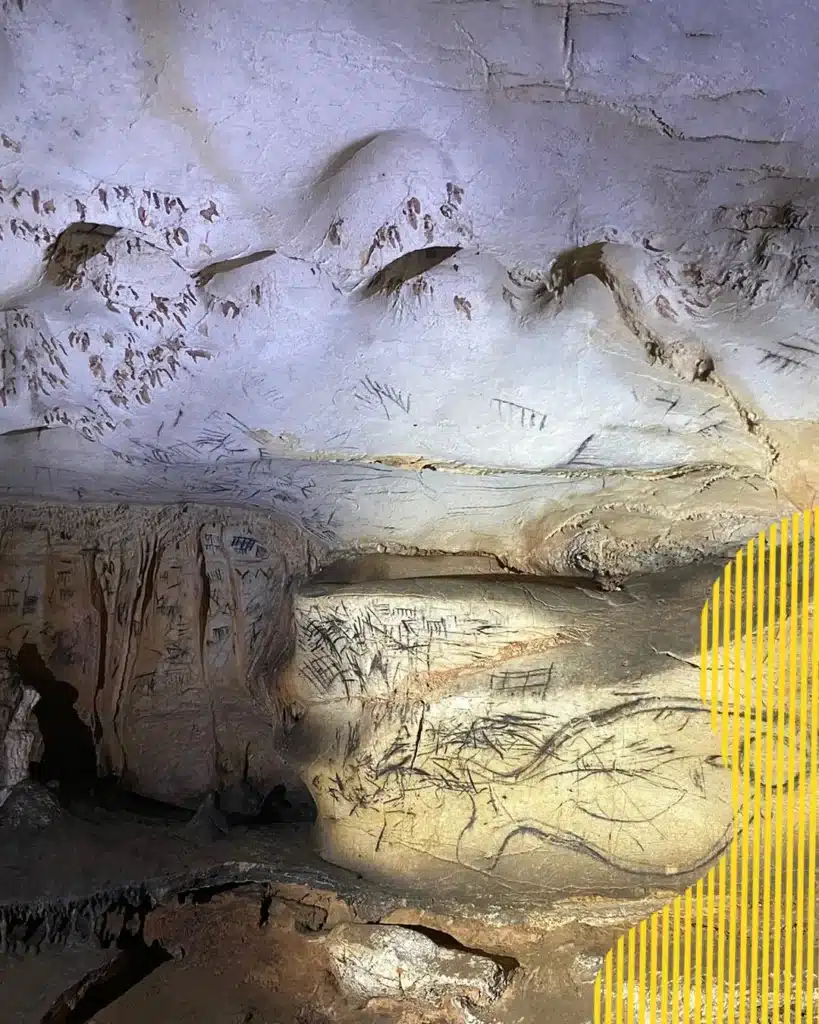
Someone painted the walls of the Cueva de la Pileta around 20,000 years ago, and those paintings are still there, waiting for you. Deep in the Serranía de Ronda, a lamp moves across the rock and horses appear that no one has ever erased. The family who discovered the cave in 1905 still shows it to visitors today.
It is one of those places that feels almost secret: silence, stone and a story that has stayed in the same family for generations.
A cave found by a farmer in 1905
The Cueva de la Pileta was discovered in 1905 by José Bullón, a local farmer who was looking for bat guano around the original entrance. What he found instead was a gallery of prehistoric art that soon drew researchers such as Henri Breuil to the Serranía de Ronda.
The cave’s official website recalls a request the archaeologist Henri Breuil made to José Bullón during his 1912 campaign: do not let anything damage the cave, because its paintings are a priceless treasure. The family took that seriously. Bullón’s descendants still run the visits, which is why the experience feels so personal.
Horses, goats and fish painted on the rock
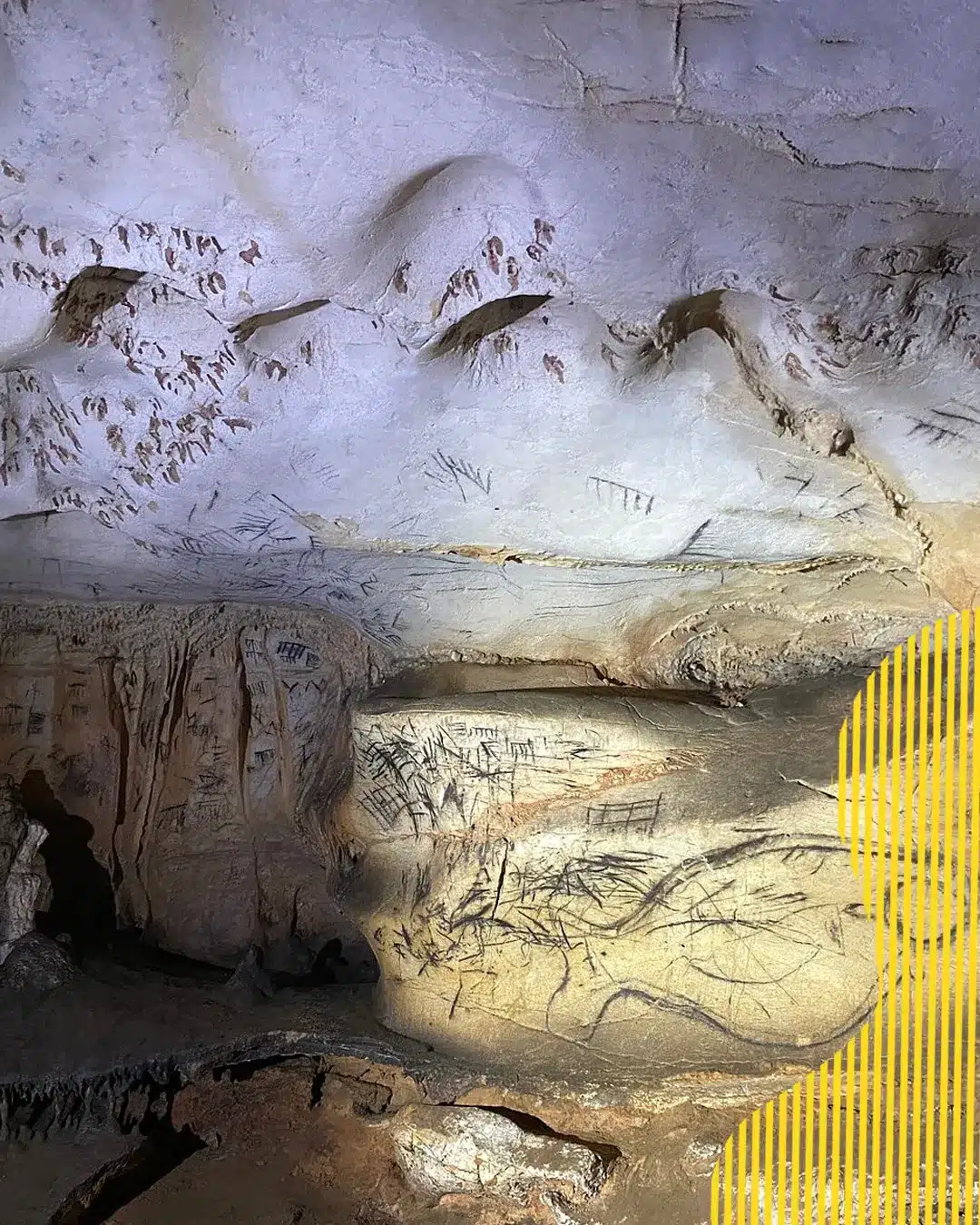
Inside, the light is low and the silence is heavy. According to the official Spanish tourism portal, the paintings of the Cueva de la Pileta mostly show goats, horses, deer and bovines, and the most important are known as the Pregnant Mare and the Fish. The cave was declared a National Monument in 1924, and you can read more on the Spain.info page about the cave.
Seeing those shapes appear in the lamplight is very different from looking at a photo. Lines and figures come out of the dark one by one, and you realise someone stood in that same spot thousands of years before you.
Getting to the Cueva de la Pileta by car
The Cueva de la Pileta sits on the MA-501 road, about 4.5 km from the village of Benaoján, in the Serranía de Ronda. You can check the exact spot of the Cueva de la Pileta on Google Maps before you set off.
This is mountain countryside, and a car is the simplest way to reach it. You choose when to leave the coast, how long to stay and where to stop on the way back. Visits are guided and the cave lists a booking phone on its official channels, so book ahead before you drive up.
If you have time for one more stop, Ronda is nearby. Our post on Ronda from Malaga Airport explains how to plan an afternoon at the Puente Nuevo and the Tajo.
Family stories, from the cave to the airport
There is something we recognise in the Cueva de la Pileta. A family looking after something it found, year after year, and sharing it with every visitor who arrives. We know a bit about that: Fetajo Rent a Car has been a Malaga family business since 1982.
That is how we hand over every car: clear conditions, no surprises and a direct handover at Malaga Airport. Land, collect your keys and head inland. Your car is waiting for you in arrivals, and those 20,000-year-old paintings are waiting at the end of the road.
Frequently asked questions
Can I visit the cave as a day trip from the coast?
Yes. With your own car you can leave the Costa del Sol in the morning, visit the Cueva de la Pileta and be back by evening, all at your own pace.
Do I need to book before I go?
Yes, it is best to book ahead. Visits are guided, and the booking details are on the cave’s official channels.
Where do I pick up my rental car?
Your Fetajo car is waiting for you in arrivals at Malaga Airport, so you can drive straight towards the Serranía de Ronda after you land.